
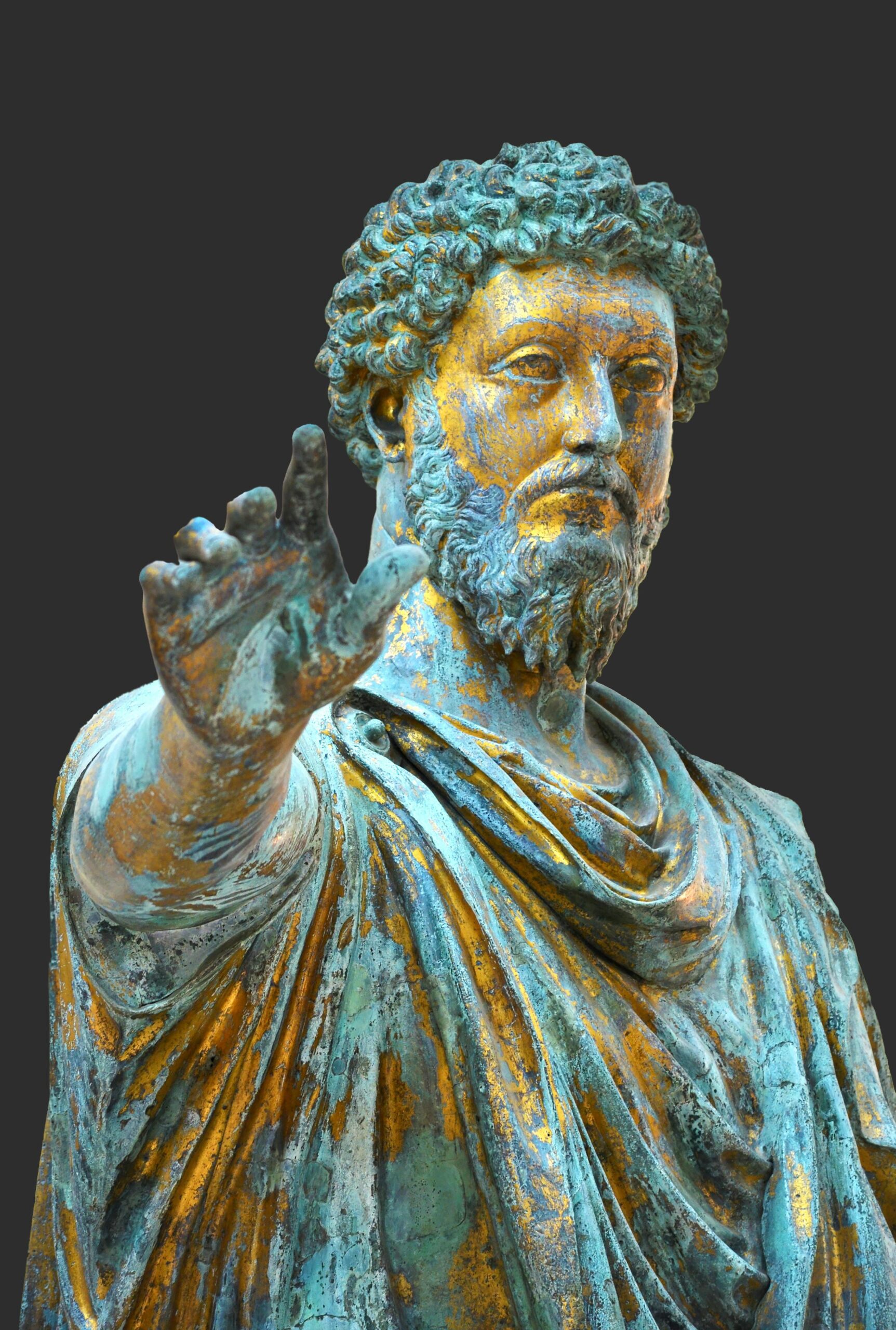
Leadership in business is often portrayed as a relentless pursuit of speed, dominance, and aggressive expansion. Yet some of the most enduring leadership principles ever written came from a Roman emperor who governed during war, plague, and political turmoil. The philosophy of Marcus Aurelius reminds us that scaling an organization is not simply about strategy or capital. It is about discipline, clarity of purpose, emotional control, and the quiet mastery of one’s own judgment. When leaders adopt this Stoic framework, they create the stability and integrity necessary to build organizations that grow not just quickly, but sustainably.
THE MARCUS AURELIUS APPROACH TO SCALING A BUSINESS
How Stoic Leadership Creates Sustainable Growth
By: The Franchise Growth Solutions “Think Team”
In business, we often hear about aggressive growth strategies, disruptive tactics, and relentless pursuit of market share. Many leaders believe scaling a company requires an almost combative mentality, one focused solely on speed, domination, and short term wins.
Yet history offers a very different leadership model, one that may actually produce stronger and more sustainable growth. That model comes from the philosophy of Marcus In business, we often hear about aggressive growth strategies, disruptive tactics, and relentless pursuit of market share. Many leaders believe scaling a company requires an almost combative mentality, one focused solely on speed, domination, and short term wins.
Yet history offers a very different leadership model, one that may actually produce stronger and more sustainable growth. That model comes from the philosophy of Marcus Aurelius, whose writings in Meditations reveal a leadership mindset built on discipline, clarity, responsibility, and emotional control. His philosophy is rooted in Stoicism, a school of thought that teaches individuals to focus on what they can control while maintaining composure in the face of uncertainty.
While Marcus Aurelius governed an empire rather than a corporation, the principles behind his leadership approach translate remarkably well to modern entrepreneurship. In fact, many of the most successful founders and operators quietly practice versions of this Stoic mindset when building organizations capable of long term growth.
Understanding how a Marcus Aurelius approach applies to business can provide a powerful framework for scaling a company with discipline rather than chaos.
Principle One: Control What You Can Control
One of the most famous Stoic ideas is the distinction between what is within our control and what is not. For business leaders, this principle is critical.
Entrepreneurs cannot control:
- Market cycles
- Competitor behavior
- Economic conditions
- Investor sentiment
- Media narratives
What they can control are the internal mechanisms of the business:
- Operational discipline
- Financial transparency
- Customer experience
- Team culture
- Execution standards
Companies that scale successfully are rarely those obsessed with external noise. They are organizations that build strong internal systems and focus relentlessly on execution.
A Marcus Aurelius mindset directs leaders to strengthen the foundations of the business rather than chasing every external opportunity or reacting emotionally to market fluctuations.
Principle Two: Emotional Discipline in Leadership
Scaling a business inevitably introduces pressure. There will be hiring mistakes, operational challenges, capital constraints, and strategic setbacks.
Leaders who react emotionally often create instability within their organizations. Teams become uncertain when leadership swings between optimism and panic
Marcus Aurelius wrote repeatedly about maintaining emotional equilibrium. His philosophy emphasizes measured responses rather than impulsive reactions.
In business terms, this means:
- Responding to problems calmly
- Making decisions based on evidence
- Avoiding reactionary strategies
- Maintaining composure during uncertainty
Organizations tend to mirror the psychological state of their leadership. When leaders operate with discipline and steadiness, the entire company benefits from that stability.
Principle Three: Duty Over Ego
One of the most striking aspects of Marcus Aurelius’ writings is his constant rejection of ego. Despite holding immense power, he reminded himself daily that leadership is a responsibility rather than a privilege.
For modern founders and executives, ego can be one of the most destructive forces in business scaling.
Ego leads to:
- Ignoring operational realities
- Overexpansion
- Failure to listen to advisors
- Risky financial decisions
A Marcus Aurelius approach reframes leadership as stewardship. The leader’s responsibility is to protect the integrity of the organization and the people within it.
When scaling a business, this mindset encourages leaders to ask a different question:
Not “How fast can we grow?”
But rather: “How do we grow responsibly while protecting the long term health of the company?”
Principle Four: Clarity of Purpose
Stoic philosophy emphasizes living in accordance with one’s purpose. In business, this translates into clarity of mission and consistent strategic direction.
Companies often fail to scale because they constantly shift strategies in response to short term trends. They pursue too many initiatives simultaneously and dilute the effectiveness of their resources.
A Marcus Aurelius approach requires discipline around purpose.
This means defining:
- The company’s core offering
- The ideal customer profile
- The operational model
- The long term strategic vision
Scaling becomes possible when every part of the organization aligns with that mission. Without clarity, growth simply produces complexity rather than progress.
Principle Five: Endurance and Long Term Perspective
Marcus Aurelius ruled during wars, economic strain, and a devastating plague. His writings repeatedly emphasize endurance and patience. This perspective is particularly relevant in entrepreneurship.
Successful companies rarely scale overnight. The process requires years of disciplined effort, operational learning, and continuous refinement.
A Stoic mindset encourages leaders to focus on long term progress rather than immediate gratification.
In practical terms, this means:
- Building strong operational infrastructure
- Investing in people and training
- Improving systems over time
- Maintaining financial discipline
Businesses built with this long horizon perspective often outperform competitors who pursue rapid growth without structural stability.
Stoicism and the Modern Entrepreneur
While Stoicism originated more than two thousand years ago, its principles remain surprisingly relevant to modern business leadership.
Entrepreneurs who adopt a Marcus Aurelius mindset tend to develop several competitive advantages:
- Clear thinking during uncertainty
- Resilient leadership under pressure
- Strong organizational culture
- Disciplined operational execution
- Long term strategic focus
These characteristics are precisely what allow companies to scale successfully.
Growth without discipline leads to fragility. Growth guided by philosophy creates durability.
Final Thoughts
Scaling a business is often portrayed as a relentless pursuit of speed and expansion. However, history suggests that the most enduring organizations are built by leaders who prioritize discipline, responsibility, and clarity of thought.
The Marcus Aurelius approach offers a powerful reminder that leadership begins with mastery of oneself.
When founders maintain emotional control, focus on what they can influence, and operate with integrity and long term vision, they create the conditions necessary for sustainable growth.
In the end, the Stoic principle applies as much to business as it did to empire:
Success is not determined by circumstances alone, but by how wisely and deliberately we respond to them Aurelius, whose writings in Meditations reveal a leadership mindset built on discipline, clarity, responsibility, and emotional control. His philosophy is rooted in Stoicism, a school of thought that teaches individuals to focus on what they can control while maintaining composure in the face of uncertainty.
While Marcus Aurelius governed an empire rather than a corporation, the principles behind his leadership approach translate remarkably well to modern entrepreneurship. In fact, many of the most successful founders and operators quietly practice versions of this Stoic mindset when building organizations capable of long term growth.
Understanding how a Marcus Aurelius approach applies to business can provide a powerful framework for scaling a company with discipline rather than chaos.
Principle One: Control What You Can Control
One of the most famous Stoic ideas is the distinction between what is within our control and what is not. For business leaders, this principle is critical.
Entrepreneurs cannot control:
- Market cycles
- Competitor behavior
- Economic conditions
- Investor sentiment
- Media narratives
What they can control are the internal mechanisms of the business:
- Operational discipline
- Financial transparency
- Customer experience
- Team culture
- Execution standards
Companies that scale successfully are rarely those obsessed with external noise. They are organizations that build strong internal systems and focus relentlessly on execution.
A Marcus Aurelius mindset directs leaders to strengthen the foundations of the business rather than chasing every external opportunity or reacting emotionally to market fluctuations.
Principle Two: Emotional Discipline in Leadership
Scaling a business inevitably introduces pressure. There will be hiring mistakes, operational challenges, capital constraints, and strategic setbacks.
Leaders who react emotionally often create instability within their organizations. Teams become uncertain when leadership swings between optimism and panic.
Marcus Aurelius wrote repeatedly about maintaining emotional equilibrium. His philosophy emphasizes measured responses rather than impulsive reactions.
In business terms, this means:
- Responding to problems calmly
- Making decisions based on evidence
- Avoiding reactionary strategies
- Maintaining composure during uncertainty
Organizations tend to mirror the psychological state of their leadership. When leaders operate with discipline and steadiness, the entire company benefits from that stability.
Principle Three: Duty Over Ego
One of the most striking aspects of Marcus Aurelius’ writings is his constant rejection of ego. Despite holding immense power, he reminded himself daily that leadership is a responsibility rather than a privilege.
For modern founders and executives, ego can be one of the most destructive forces in business scaling.
Ego leads to:
- Ignoring operational realities
- Overexpansion
- Failure to listen to advisors
- Risky financial decisions
A Marcus Aurelius approach reframes leadership as stewardship. The leader’s responsibility is to protect the integrity of the organization and the people within it.
When scaling a business, this mindset encourages leaders to ask a different question: Not “How fast can we grow?”
But rather: “How do we grow responsibly while protecting the long term health of the company?”
Principal Four: Clarity of Purpose
Stoic philosophy emphasizes living in accordance with one’s purpose. In business, this translates into clarity of mission and consistent strategic direction.
Companies often fail to scale because they constantly shift strategies in response to short term trends. They pursue too many initiatives simultaneously and dilute the effectiveness of their resources.
A Marcus Aurelius approach requires discipline around purpose.
This means defining:
- The company’s core offering
- The ideal customer profile
- The operational model
- The long term strategic vision
Scaling becomes possible when every part of the organization aligns with that mission. Without clarity, growth simply produces complexity rather than progress
Principle Five: Endurance and Long Term Perspective
Marcus Aurelius ruled during wars, economic strain, and a devastating plague. His writings repeatedly emphasize endurance and patience. This perspective is particularly relevant in entrepreneurship.
Successful companies rarely scale overnight. The process requires years of disciplined effort, operational learning, and continuous refinement. A Stoic mindset encourages leaders to focus on long term progress rather than immediate gratification.
In practical terms, this means:
- Building strong operational infrastructure
- Investing in people and training
- Improving systems over time
- Maintaining financial discipline
Businesses built with this long horizon perspective often outperform competitors who pursue rapid growth without structural stability.
Stoicism and the Modern Entrepreneur
While Stoicism originated more than two thousand years ago, its principles remain surprisingly relevant to modern business leadership.
Entrepreneurs who adopt a Marcus Aurelius mindset tend to develop several competitive advantages:
- Clear thinking during uncertainty
- Resilient leadership under pressure
- Strong organizational culture
- Disciplined operational execution
- Long term strategic focus
These characteristics are precisely what allow companies to scale successfully. Growth without discipline leads to fragility. Growth guided by philosophy creates durability.
Final Thoughts
Scaling a business is often portrayed as a relentless pursuit of speed and expansion. However, history suggests that the most enduring organizations are built by leaders who prioritize discipline, responsibility, and clarity of thought.
The Marcus Aurelius approach offers a powerful reminder that leadership begins with mastery of oneself.
When founders maintain emotional control, focus on what they can influence, and operate with integrity and long term vision, they create the conditions necessary for sustainable growth.
In the end, the Stoic principle applies as much to business as it did to empire:
Success is not determined by circumstances alone, but by how wisely and deliberately we respond to them
Sources Used for Research
- Stanford Encyclopedia of Philosophy https://plato.stanford.edu/entries/marcus-aurelius/
- Internet Encyclopedia of Philosophy https://iep.utm.edu/marcus-aurelius/
- Harvard Business Review, Stoicism and Leadership https://hbr.org/2020/12/what-stoicism-can-teach-us-about-leadership
- The Guardian, Lessons from Marcus Aurelius for Modern Leaders https://www.theguardian.com/books/2019/may/05/marcus-aurelius-meditations-lessons
- The Daily Stoic, Stoic Philosophy and Leadership https://dailystoic.com/marcus-aurelius/
- Encyclopaedia Britannica https://www.britannica.com/biography/Marcus-Aurelius
- MIT Sloan Management Review, Leadership Resilience https://sloanreview.mit.edu
- Forbes, Stoicism in Modern Leadership https://www.forbes.com/sites/forbescoachescouncil
- History Channel, Marcus Aurelius Biography https://www.history.com/topics/ancient-rome/marcus-aurelius
This article was researched, outlined and edited with the support of A.I.